
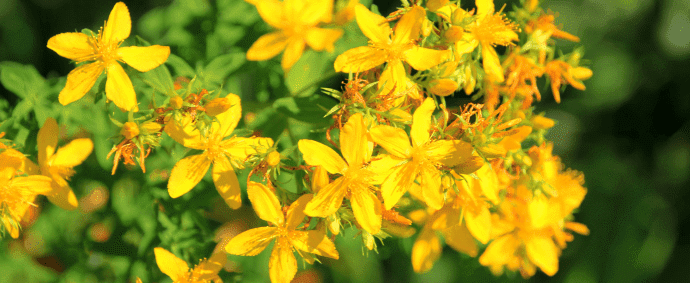
St. John’s wort is one of the best-known medicinal plants in Europe and has been traditionally used for centuries. It is particularly valued for its balancing properties for body and mind. The bright yellow flowers are harvested around St. John’s Day (June 24) – hence the name of the plant. Today, St. John’s wort is an important component in both natural medicine and aromatherapy, used in many applications related to mood, relaxation, and skincare.
About the plant
St. John’s wort prefers to grow in sunny meadows, along roadsides, and on dry soils. The plant reaches a height of about 30 to 90 cm and is easily recognized by its bright yellow flowers, which appear particularly intense in sunlight. When the flowers are rubbed between the fingers, they take on a slightly reddish color – a sign of the plant compounds they contain.
- Botanical name: Hypericum perforatum
- INCI: Hypericum Perforatum Extract / Hypericum Perforatum Oil
- Family: Hypericaceae (St. John’s wort family)
Ingredients & effects
St. John’s wort contains a variety of valuable plant compounds, including:
- Hypericin
- Hyperforin
- Flavonoids
- Tannins
- essential oils
These ingredients make St. John’s wort one of the best-known plants for applications in the areas of:
- emotional well-being and balance
- relaxation and inner harmony
- skincare and regeneration
- natural support during stressful times
St. John’s wort is traditionally used especially during the darker seasons or in times of increased strain.
Application tips
St. John’s wort can be integrated into everyday life in different ways:
Aromatherapy / fragrance blends
St. John’s wort is often combined with relaxing scents to create a calm atmosphere.
Massage and care oil
St. John’s wort oil is traditionally used for relaxing massages or for caring for stressed skin.
Wellness rituals
A few drops of St. John’s wort oil in massage oil can help you unwind after a long day.
DIY cosmetics
St. John’s wort is also popular in homemade skincare products.
Fragrance profile
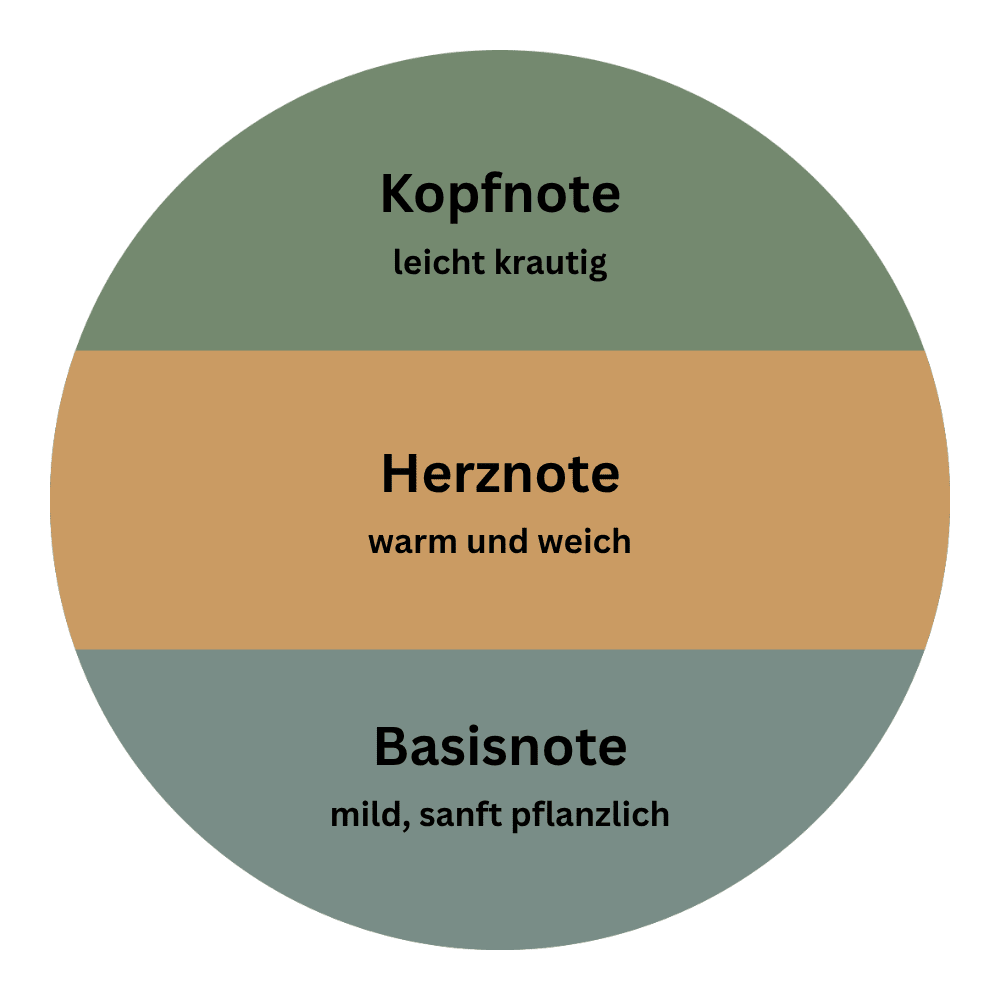
St. John’s wort has a very gentle and natural fragrance profile that blends well with other plant oils.
- Top note: mild, slightly herbal
- Heart note: warm, soft, floral
- Base note: gentle, slightly resinous
The scent has a pleasantly calming effect and is frequently used in relaxing fragrance blends.
Conclusion
St. John’s wort (Hypericum perforatum) is a traditional plant that has been valued for centuries for its balancing and soothing potential. Whether in aromatherapy, skincare, or as part of wellness rituals – St. John’s wort brings the power of the sun into everyday life and supports natural well-being.